Back Pain in Pakistan: Why It Won't Go Away — and What Actually Works
AK
Dr. Arbaz Khan
Physio Team · Rawalpindi
August 1, 2026
13 min read
Back Pain
Back Pain
M
Mediplex Health Care Centre
Rawalpindi · Physiotherapy & Recovery
If you've been dealing with back pain for weeks — or months — you've probably already tried the usual advice: rest more, sit up straight, take a painkiller, wait it out. And yet here you are, still hurting. You're not imagining it, and you're not alone. Back pain is one of the most common health complaints among adults in Islamabad and Rawalpindi, driven by long desk hours, heavy traffic commutes, and lifestyles that leave little room for movement. In this guide, we'll walk through exactly why ordinary back pain turns chronic, what's actually happening inside your spine, and — most importantly — what genuinely helps, according to physiotherapy science and clinical experience.
What Is Back Pain, Really?
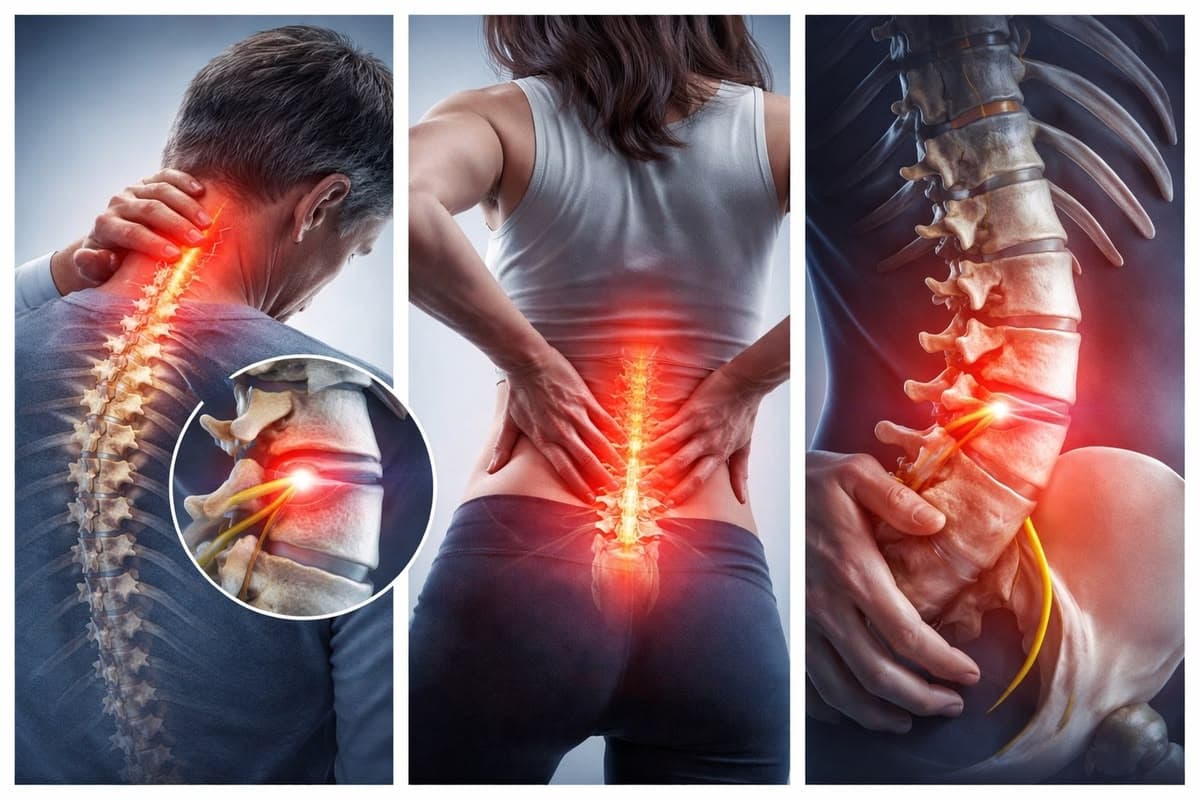
Back pain isn't one condition — it's a symptom with dozens of possible causes. It can come from muscles, ligaments, spinal discs, nerves, joints, or even referred pain from organs like the kidneys. Most people picture "back pain" as a single injury, but for the majority of sufferers, it's a slow build-up of strain rather than one dramatic moment.
According to the World Health Organization, low back pain is the single leading cause of disability worldwide, and most people will experience it at least once in their lifetime. It's not rare, it's not unusual, and — this is the important part — it's very often manageable once you understand what's driving it.
Broadly, back pain falls into a few categories:
Mechanical/muscular pain — strains, spasms, and overworked muscles from poor posture or sudden movement
Real reviews from real patients on our Google profile.
Google review
“Great physiotherapy experience! The staff was caring, professional, and supportive. I felt comfortable throughout and noticed genuine improvement after treatment.”
Emaan Rafaqat
2 weeks ago
Limited same-day slots
Ready to book an appointment?
Whether you're recovering from an injury or just want to move without pain. We're here.
Disc-related pain — bulging or herniated discs pressing on nearby structures
Nerve-related pain — sciatica, nerve compression, tingling or numbness radiating down the leg
Degenerative pain — age-related wear such as spinal stenosis or disc degeneration
Inflammatory or systemic pain — less common, but can be linked to conditions like ankylosing spondylitis
Most everyday back pain in the general population is "non-specific" — meaning it isn't caused by one identifiable structural problem, but by a combination of posture, muscle imbalance, stress, and inactivity working together.
Why It Matters — Especially in Islamabad and Rawalpindi
Back pain isn't just uncomfortable; it's one of the biggest reasons people miss work, struggle to pray comfortably, or give up on exercise altogether. And several factors specific to life in the twin cities make it worse.
Desk jobs and long commutes. A huge share of the working population in Islamabad's Blue Area, F-sectors, and the DHA/Bahria corridors spends 8–10 hours a day sitting — often on furniture that wasn't designed with posture in mind. Add the daily commute between Islamabad and Rawalpindi through traffic, and the spine spends most of the day in a compressed, unsupported position.
Sedentary lifestyle. Walking, structured exercise, and outdoor activity have declined sharply in urban Pakistan, particularly during Islamabad's hot summers and smog-heavy winters, when people simply move less.
Low vitamin D levels. Despite abundant sunshine, vitamin D deficiency is remarkably common in Pakistan due to indoor lifestyles and modest dress. Since vitamin D plays a role in bone and muscle health, deficiency can quietly contribute to persistent back and joint pain.
Heavy physical labor without technique. For manual workers, household staff, and tradespeople across Rawalpindi's Saddar and industrial areas, repeated heavy lifting without proper technique is a major driver of disc injuries.
Cultural underuse of physiotherapy. Many people in Pakistan still see physiotherapy as something you do "after surgery" rather than a first-line treatment — so back pain is often left untreated until it becomes chronic, or is over-treated with rest and medication alone.
Put together, these factors explain why back pain in Pakistan tends to become a long-term, recurring problem rather than a short-lived injury that resolves on its own.
Causes, Symptoms, and Warning Signs to Watch For
Common Causes of Back Pain
Poor sitting posture and unsupportive office chairs
Sedentary lifestyle with weak core muscles
Improper lifting technique
Obesity or rapid weight gain, which increases load on the spine
Sleeping on an unsupportive mattress or in awkward positions
Stress and muscle tension (chronic stress keeps back muscles in a constant low-grade contraction)
Age-related disc degeneration
Pregnancy-related postural changes
Symptoms That Are Usually Manageable
Dull, aching pain that worsens with prolonged sitting or standing
Stiffness, especially first thing in the morning
Mild muscle tightness that improves with movement or stretching
Pain that fluctuates with activity level
Warning Signs That Need Prompt Medical Attention
Most back pain is not dangerous, but certain signs suggest something more serious and shouldn't be ignored, as outlined by Mayo Clinic:
Pain that radiates down one or both legs, especially past the knee
Numbness, tingling, or weakness in the legs or feet
Pain following a fall, accident, or direct trauma
Unexplained weight loss alongside back pain
Fever combined with back pain
Loss of bladder or bowel control (this requires emergency care)
Pain that is worse at night or doesn't ease with rest at all
If you notice any of these red flags, don't wait it out — get assessed by a professional promptly.
How Physiotherapy Helps — And Why It Works Better Than "Just Resting"
Here's the part most people get wrong: prolonged rest is often the worst thing you can do for ordinary back pain. Movement, done correctly, is usually the fastest route to recovery. This is exactly where physiotherapy makes the difference — it doesn't just mask pain, it addresses the underlying mechanical problem.
A well-designed physiotherapy program for back pain typically includes:
1. Manual therapy — hands-on joint mobilization and soft tissue release to reduce muscle tightness and restore normal movement in the spine.
2. Postural correction — retraining how you sit, stand, and move throughout the day, especially important for desk-based professionals.
3. Core strengthening exercises — the deep abdominal and back muscles act as a natural "brace" for the spine. Weak core muscles are one of the most common reasons back pain keeps returning.
4. Stretching and mobility work — targeting tight hip flexors, hamstrings, and lower back muscles that pull on the spine when they're shortened.
5. Electrotherapy and modalities — techniques like TENS or ultrasound therapy, used to reduce pain and inflammation in acute flare-ups.
6. Dry needling or trigger point therapy — for stubborn muscle knots that don't respond to stretching alone.
7. Education and ergonomic advice — adjusting your workstation, sleeping position, or lifting habits so the pain doesn't simply come back after treatment ends.
What's the Expected Timeline?
Every case is different, but as a general pattern:
Mild muscular back pain: often improves within 1–3 weeks of consistent physiotherapy and activity modification
Moderate, recurring back pain: usually needs 4–6 weeks of structured rehab, often 2–3 sessions per week initially
Disc-related or nerve-related pain: can take 6–12 weeks, sometimes longer, and needs closer monitoring
The WHO's clinical guidance on chronic low back pain specifically emphasizes exercise therapy and active rehabilitation over prolonged bed rest or passive treatment alone — which is precisely the physiotherapy-first approach we follow at Mediplex.
For pain that's specifically tied to prolonged sitting and screen work, our detailed guide for desk workers breaks down posture fixes you can start using today.
When to See a Physiotherapist vs. When to Self-Manage at Home
Not every twinge needs a clinic visit — but knowing the difference saves you from either ignoring something serious or suffering unnecessarily.
You can usually try self-management first if:
Pain started recently (within the last 1–2 days) and is mild to moderate
There's no numbness, tingling, or leg weakness
Pain improves somewhat with gentle movement or rest
You can identify a clear, minor cause (like a long drive or an awkward sleeping position)
Try: gentle walking, light stretching, alternating heat and cold, maintaining good posture, and avoiding prolonged bed rest.
You should book a physiotherapy assessment if:
Pain has lasted more than 2 weeks despite self-care
It's recurring — this is your third or fourth episode this year
Pain is affecting sleep, work, or daily activities
You notice tingling, numbness, or weakness anywhere in the legs
You've been told you have a bulging or herniated disc and want a non-surgical recovery plan
Our Back & Neck Pain Treatment service is built specifically around this kind of structured, progressive rehabilitation — assessing the root cause first, rather than just treating the symptom.
Why Choose Mediplex Physiotherapy
Mediplex Physiotherapy serves patients across both Islamabad and Rawalpindi, with a treatment philosophy built on assessment first, exercise-based rehabilitation, and long-term prevention — not just short-term symptom relief.
Here's what sets our approach apart:
Thorough initial assessment. We don't guess. Every back pain case starts with a detailed evaluation of posture, movement patterns, muscle strength, and pain triggers before any treatment plan is made.
Personalized, progressive programs. Your recovery plan evolves as you improve — starting with pain relief techniques and moving into strengthening and prevention.
Home-visit physiotherapy. For patients who can't easily travel — whether due to severe pain, post-surgical recovery, or a hectic schedule — we offer physiotherapy sessions at home across Islamabad and Rawalpindi.
Coverage across both cities. From F-sectors and Blue Area in Islamabad to Saddar and cantonment areas in Rawalpindi, our team is positioned to reach patients across the twin cities.
Experienced, hands-on clinicians. Our physiotherapists work closely with orthopedic and neurological specialists when a case needs a broader team, ensuring you're never treated in isolation. You can read more about our clinical team and approach on our About page.
Related musculoskeletal expertise. Back pain rarely exists in isolation — it's often connected to hip, shoulder, or postural issues. Our musculoskeletal injuries service and postural alignment program are designed to address these connected issues together.
Chronic pain specialization. For patients whose back pain has become long-standing or hard to manage, our chronic pain management program focuses on function and quality of life, not just pain scores.
A Real-World Patient Scenario
Consider a common case we see regularly: a 34-year-old software professional working from an office in Islamabad's Blue Area, spending nine to ten hours a day at a desk. For months, he experienced a dull ache across his lower back that worsened by late afternoon. He tried painkillers and short rest breaks, but the pain kept returning — and eventually started radiating slightly into his right hip.
On assessment, the picture became clear: weak core muscles, tight hip flexors from prolonged sitting, and a chair setup that pushed his lower back into a slouched position for hours at a time. There was no disc damage, no nerve compression — just a body that had adapted poorly to years of sedentary work.
His treatment plan combined manual therapy to release tight muscles, a progressive core-strengthening program, and simple ergonomic changes to his desk setup. Within four weeks, his pain had reduced significantly, and by week eight, he was pain-free during normal work hours, with a home exercise routine to keep it that way.
This scenario illustrates something important: most back pain isn't a mystery. It's a predictable result of specific habits, and it responds well to a specific, structured plan — not guesswork.
Prevention and Long-Term Management Tips
Fixing back pain once is good. Preventing it from coming back is better. Here's what actually makes a lasting difference:
Set up your workstation properly. Your screen should be at eye level, feet flat on the floor, and lower back supported — a rolled towel or lumbar cushion works well if your chair lacks support.
Move every 30–45 minutes. Even a two-minute walk or stretch break disrupts the muscle stiffness that builds up during long sitting sessions.
Strengthen your core consistently. Simple exercises like planks, bridges, and bird-dogs — done a few times a week — build the muscular support your spine needs.
Mind your sleeping position. Side-sleeping with a pillow between the knees, or back-sleeping with a pillow under the knees, reduces overnight strain on the lower back.
Watch your lifting technique. Bend at the knees, not the waist, and keep heavy objects close to your body.
Manage your weight. Extra body weight — especially around the midsection — increases load on the lumbar spine.
Address stress. Chronic stress keeps back and shoulder muscles in a constant state of tension. Simple breathing exercises or short walks can help release this.
Get outside when you can. Sensible sun exposure supports healthy vitamin D levels, which play a role in bone and muscle health.
Don't wait for pain to become severe. Early physiotherapy for a mild, recurring ache is far more effective — and cheaper — than waiting until the problem becomes chronic.
Frequently Asked Questions
What causes chronic back pain that won't go away? Chronic back pain is usually caused by a combination of factors rather than one single injury — commonly weak core muscles, poor posture, prolonged sitting, and unresolved muscle imbalances that keep re-irritating the same area over time.
How can I tell if my back pain is serious? Back pain is more likely to be serious if it comes with numbness or weakness in the legs, fever, unexplained weight loss, or loss of bladder or bowel control. Pain following a fall or accident should also be checked promptly by a professional.
What is the fastest way to relieve back pain? Gentle movement, alternating heat and cold therapy, and maintaining good posture typically relieve mild back pain faster than complete rest. For persistent or moderate pain, targeted physiotherapy usually brings faster, longer-lasting relief than medication alone.
Can back pain be cured permanently? Most non-specific back pain can be effectively managed and largely resolved with the right combination of physiotherapy, core strengthening, and posture correction. "Permanent" freedom from pain depends on maintaining these habits long-term, since old patterns can bring pain back if abandoned.
Is walking good for lower back pain? Yes. Walking is one of the safest, most effective activities for most types of lower back pain, as it promotes blood flow and gently mobilizes the spine without adding excessive strain.
Should I rest or stay active with back pain? Light, controlled activity is generally recommended over prolonged bed rest, which can actually stiffen muscles and slow recovery. The key is avoiding movements that clearly worsen the pain while staying gently active otherwise.
When does back pain need surgery? Surgery is only considered when conservative treatments like physiotherapy and medication fail after several weeks, or when there are serious signs such as significant nerve compression, progressive weakness, or loss of bladder/bowel control.
How much does a spine specialist consultation cost in Pakistan? Costs vary widely depending on the city, clinic, and specialist's experience. It's best to contact the clinic directly for current consultation fees, as prices differ between physiotherapy assessments and specialist medical consultations.
Final Thoughts: You Don't Have to Live With It
Back pain that won't go away isn't something you simply have to accept as "normal" because of a desk job or a busy schedule in Islamabad or Rawalpindi. In the overwhelming majority of cases, it's a mechanical problem with a mechanical solution — one that responds well to the right combination of movement, strengthening, and posture correction.
The mistake most people make is waiting too long, hoping it resolves on its own, until an occasional ache becomes a chronic condition. A proper assessment early on can save months of unnecessary discomfort.
If you're experiencing back pain that isn't improving, book an assessment with Mediplex Physiotherapy in Islamabad or Rawalpindi — including home-visit options — and get a personalized recovery plan built around your specific cause, lifestyle, and goals.
“Good Physiotherapy clinic. The pain was gone in prescribed time.”
Afnan Afrose
3 weeks ago
Pain gone in prescribed time
Google review
“I was suffering from frozen shoulder then I searched on Google I came to know about Dr Arbaz Khan I visited Mediplex and within 4 sessions my pain reduced by 50 percent. I highly recommend Dr Arbaz and Mediplex physiotherapy clinic.”
HANZO FF (Free fire king)
Frozen Shoulder · 5 weeks ago
Pain reduced by 50% in 4 sessions
Google review
“I've came to know about Mediplex physiotherapy clinic on Google then I visited Dr Arbaz for my postural issue, after thorough assessment Dr Arbaz made a plan for my treatment and alhamdulillah after few sessions my body feels very light.”
Hammad Shinwari
Postural Issue · 6 weeks ago
Body feels light after a few sessions
Google review
“Dr M Ashar Rafi excellent doc recommended.”
Danish Khan
7 weeks ago
Google review
“I had severe back pain after taking session at Mediplex physiotherapist clinic I fee so much better the pain management here is amazing highly recommended.”
Kiran Javed
Severe Back Pain · 7 weeks ago
So much better after treatment
Google review
“Good care given by Dr. Amna. Neat and clean environment and good professional conduct by the staff.”
Seher Osman
16 weeks ago
Google review
“I had a great experience at Mediplex Physiotherapist Clinic. I went in with a shoulder injury from bad posture and left with way less pain and a clear plan to keep it from coming back. The physio took time to assess everything, explained the cause in simple terms, and tailored the exercises to my routine. Appointments were on time, the clinic is clean and well-equipped, and the staff at the front desk were really welcoming. If you want a clinic that focuses on fixing the root issue instead of just quick fixes, this is the place.”
Nirmal Warris
Shoulder Injury · 19 weeks ago
Way less pain and a plan to prevent recurrence
Google review
“Exceptional experience at Mediplex Physiotherapy Clinic. The team is highly skilled, professional, and genuinely cares about patients' recovery. From assessment to treatment, everything was handled with great attention and expertise. The clinic environment is clean, comfortable, and very well managed. I noticed real improvement in a short time. Highly recommended for anyone looking for quality physiotherapy care.”
Ayesha Khan
19 weeks ago
Google review
“Attitude of the people there in Mediplex is very nice. Overall I am satisfied with the sessions I received there.”
Nasreen Ahmed
19 weeks ago
Google review
“I was suffering from muscular pain then I visit to Dr Arbaz he specialized treatment helped me a lot in my work now I am almost pain free. Thanks to Allah i am now living healthy life once again.”
Kamran Abbasi
Muscular Pain · 18 weeks ago
Almost pain free now
Google review
“Mediplex Physiotherapy Clinic provides professional and caring physiotherapy services with a friendly environment. The staff is cooperative, and the treatment helps patients recover comfortably and effectively.”

 Back Pain


